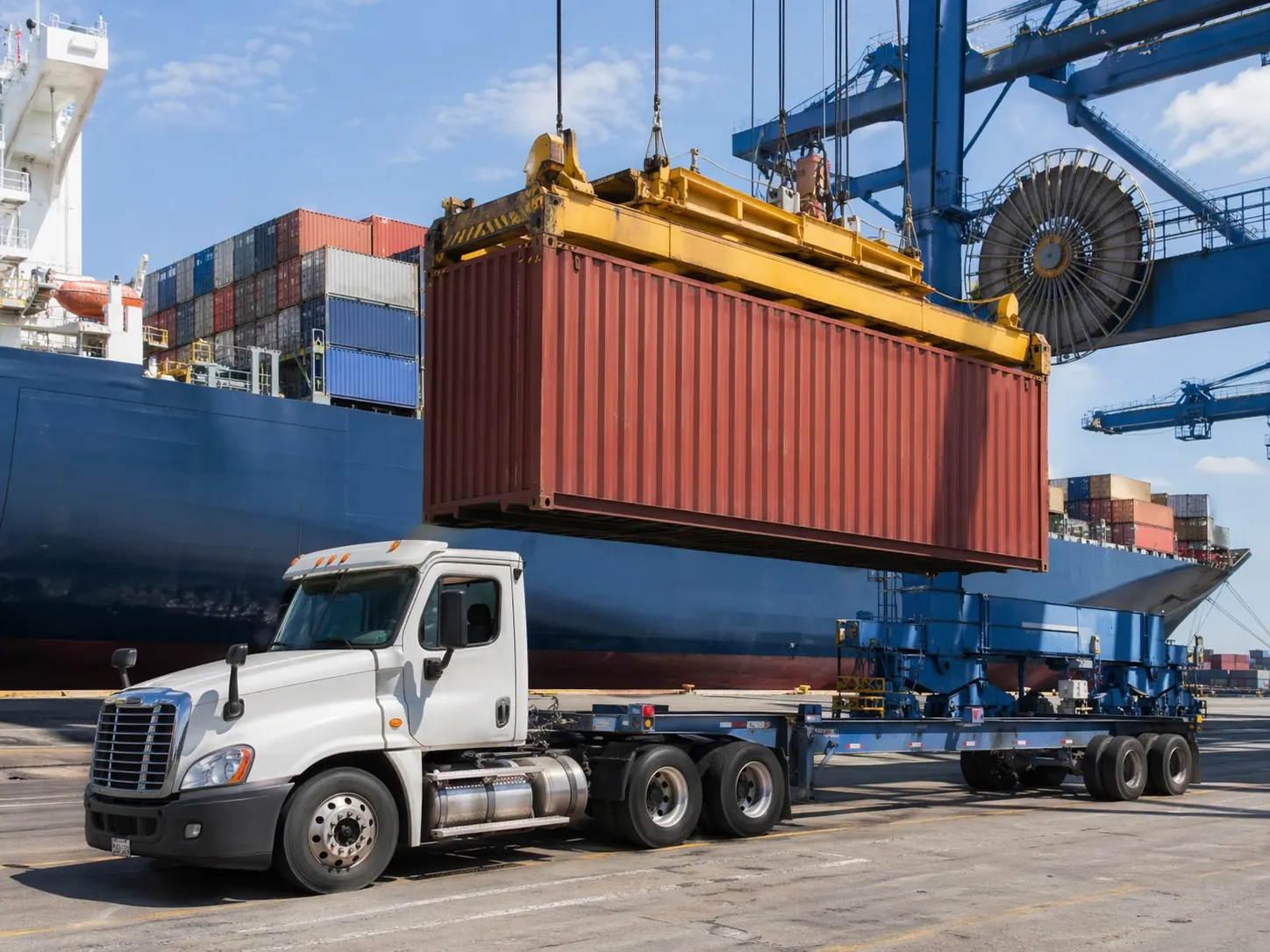
Container drayage.
From the box to your door.
First and last mile container trucking from every major US port and rail ramp. Last Free Day monitored, terminal appointments booked, live GPS on every truck, and an operator who answers, 24/7.
How It Works
Five steps, terminal
to your dock.
Container Ready
LFD posted, box discharged
Dispatch + Appt
Terminal slot booked
Port / Ramp Pickup
Outgated on a chassis
Drayage to Door
Live GPS the whole leg
Unload + Empty Return
Live or drop-and-hook
Capabilities
Complete drayage solutions.
Port pickups, rail-ramp transfers, transloading, and specialized moves, all under one operator and one tracking view.
Port Drayage
First and last mile container moves from every major US port. We pull the box, run it to your door, and return the empty inside the carrier free days.
- Same-day and next-day pickups
- Pre-pull to a secured yard
- Chassis provisioning
- Last Free Day monitoring
Rail Ramp Drayage
Container transfers between Class 1 intermodal ramps and your final destination, with cross-town moves to and from the ramp coordinated to the train schedule.
- All Class 1 rail ramps
- Appointment scheduling
- Cross-town and ramp-to-door
- Yard storage options
Transloading
Container devanning and reload at a warehouse, so floor-loaded ocean freight moves onto domestic pallets or trailers for onward distribution.
- Floor load and unload
- Palletization
- Cross-docking
- Sort and segregate
Specialized Handling
The moves that need more than a standard chassis: overweight permits, hazmat-endorsed drivers, reefer gensets, and high-value escorts.
- Hazmat-endorsed drivers
- Overweight and tri-axle permits
- Reefer genset power
- High-value cargo escort
Equipment
The right chassis for the load.
A standard 20-foot or 40-foot box rides a standard chassis. Heavy, refrigerated, or out-of-gauge cargo needs the right equipment to stay legal and intact, and we assign it before dispatch.
Standard Chassis
The everyday tri-pool, slider, or gooseneck chassis for 20-foot, 40-foot, and 40-foot high-cube dry containers. Drawn from the carrier, co-op, or our own pool by port.
Tri-Axle Chassis
A three-axle chassis that spreads weight across more axles so a heavy load stays inside legal axle limits without a permit on many lanes.
Overweight / Heavy
For boxes over the 80,000 lb gross limit: certified scale weigh, state overweight permit, spread-axle setup, and a routing that avoids weight-restricted bridges.
Reefer Genset
A clip-on diesel generator that keeps a refrigerated container at setpoint through the inland leg, so the cold chain never loses power between terminal and door.
Flatbed / Step-Deck
For out-of-gauge and break-bulk freight that will not ride a standard chassis, including oversized crates, machinery, and project cargo pulled from the terminal.
Transload Trailers
Dry vans and curtain-side trailers staged at the warehouse to receive devanned cargo and carry it onward on domestic pallets after the container is stripped.
Cost Control
Stop the meter before it starts.
Demurrage and per diem are the two charges that quietly inflate a drayage bill. Both are timing problems, and timing is what dispatch is for.
Last Free Day monitoring
We watch every container so you never pay for waiting
Know your charges
The terms that show up on a drayage invoice, in plain language
Pricing
What's in your drayage rate.
One number for the move. The line items below are rolled into the all-in rate unless they are called out as an add-on, and we quote any add-on before it bills.
Included in the rate
- Port or rail-ramp to door drayage move
- Standard chassis (first included days)
- Terminal appointment scheduling
- Last Free Day monitoring and alerts
- Live GPS truck tracking + container milestones
- Outgate and ingate handling at the terminal
- PierPass / TMF where applicable
- Empty container return
- Proof of delivery to the portal
- 24/7 operator support
Optional add-ons
- Chassis split fee (when chassis and box are stored apart)
- Per diem / detention (carrier daily rate past free days)
- Pre-pull + yard storage (per day at a secured yard)
- Overweight / heavy surcharge (permit plus tri-axle or spread)
- Congestion / pier fees (passed through at cost)
- Hazmat handling (endorsed driver, varies by class)
- Reefer genset (daily rate for inland power)
- Weekend / after-hours dispatch (off-shift premium)
- Scale / reweigh (certified weigh per move)
- Driver wait time (past included free time on a live unload)
We quote everything up front. If a terminal hold, congestion fee, or per diem becomes unavoidable mid-move, we email you the daily rate for approval before billing it.
Paperwork
Documents you'll need.
A drayage move needs the release and entry paperwork before a driver can outgate the box. Upload these in the portal and we handle the terminal side, flagging anything missing before it holds the container.
Delivery Order
Authorizes us to pick up the container on your behalf. Lists the container and booking numbers, the terminal, and the delivery address for the move.
Bill of Lading
The ocean carrier document that must be released (telex or original surrendered) before the terminal will let the box outgate.
Customs Release
Customs entry and the CBP 3461 release clearing the container for delivery. Without it the box stays on a customs hold at the terminal.
Chassis Agreement
Interchange paperwork when you provide or specify the chassis pool. We default to the carrier or co-op pool if you do not.
Scale Ticket
Certified weigh ticket for heavy boxes, used to confirm axle compliance and to pull the correct state overweight permit.
Hazmat / SDS
Safety Data Sheet and shipping papers for IMO-classed cargo. Must show the UN number, proper shipping name, and emergency contact for the driver.
Coverage
Ports and rail ramps we cover.
Dedicated drayage capacity at every major US gateway plus the inland intermodal ramps behind them. Transit shows typical drive time to the local delivery area, and rates are lane-specific, so we quote yours on request.
San Pedro Bay complex, 14 marine terminals
Port Newark, Elizabeth, Staten Island
Garden City Terminal, Mason Mega Rail
Barbours Cut and Bayport terminals
Northwest Seaport Alliance terminals
Virginia International Gateway
Wando Welch and Leatherman terminals
Northern California gateway terminals
Chicago, Memphis, Kansas City, Dallas Class 1 ramps
The Network
Vetted drivers at every gateway.
We work with TWIC-certified drivers and established trucking companies at every major port. Owner-operators and large fleets together give us the flexibility to handle any volume on short notice.
Questions
Everything else about drayage.
The eight questions importers ask us most about port and rail-ramp trucking. Don't see yours? Email sales, response within 4 business hours.
The Last Free Day (LFD) is the final day the terminal lets your container sit after vessel discharge before storage charges begin (usually 3 to 4 calendar days). Past the LFD the terminal bills demurrage per day. Per diem (also called detention) is the carrier's daily charge once you have pulled the box out but have not returned the empty within the allotted free days. We monitor the LFD on every container in the portal and dispatch ahead of it, so the meter never starts. If a charge is unavoidable (terminal congestion, a customs hold), we flag it and quote the daily rate before it bills.
Newsroom
Latest updates.
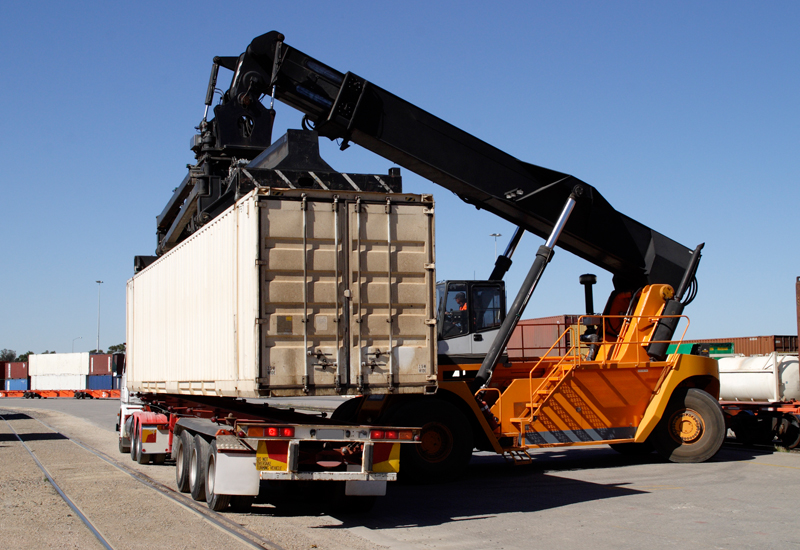
Port Drayage
The last mile moves fast.
Same-day port pickup, pre-pull to beat demurrage, drayage to your door, and the empty back inside free days. 24/7 dispatch with live GPS on every container.